


Choosing a vinyl fence is not only a matter of picking a color or comparing the first estimate you receive. The right provider should understand how your property will be used, how the site will be measured and prepared, and which vinyl system, gate, and layout fit the project.
Request a project-specific vinyl fence estimate from A G Vinyl Fencing.
The best vinyl fencing companies explain product specifications, assess your Southern California property in person, provide a detailed written scope, and remain available for installation follow-up and repairs. Compare those details before you choose based on price alone.
Local conditions can affect the recommendation, from slopes and access to existing hardscape, pool areas, and neighborhood requirements. A useful proposal should make those decisions clear, along with materials, measurements, timing, warranty terms, and who is responsible for the work. Start by evaluating the provider’s vinyl expertise and the evidence they are willing to put in writing.
What Should You Look for When Choosing Vinyl Fencing Companies?
Vinyl fencing is not a one-size-fits-all product. The right provider should understand how panel design, posts, rails, gates, color, and site conditions work together. Compare companies based on the quality of their questions and the clarity of their answers, not only on how quickly they provide a quote.
Look for vinyl-specific product knowledge
Ask which vinyl systems they install and how they match a style to your purpose. Privacy, picket, split-rail, and pool applications have different layout and access considerations. A knowledgeable installer should be able to explain available profiles, colors, textures, gate options, and product-specific care without presenting one material as suitable for every property. You can also review vinyl fence panel options before discussing your layout.
Ask what specifications matter for the product being proposed, including the material composition, UV protection, impact performance, post construction, and connection method. These details can vary by manufacturer and system. The company should be comfortable identifying the actual product line and explaining how installation will follow its instructions.
Confirm who owns the project from assessment to closeout
A serious evaluation should include an on-site assessment, not just measurements taken from a photo or map. The provider should review terrain, access, existing hardscape, gates, property-line questions, and the intended use of each fence run. That conversation helps reveal whether the proposed panels and posts fit the property.
Request a written scope that identifies materials, fence sections, gates, preparation, installation responsibility, expected schedule, exclusions, and follow-up. Ask whether the same company manages the installation and who handles corrections if a gate needs adjustment or a section requires service. For a broader review of contracts and closeout questions, see this residential fence hiring checklist. Clear documentation gives you a useful basis for comparing vinyl fencing companies and prevents important responsibilities from being left unstated.
How to Compare Vinyl Fencing Companies in Southern California
When comparing vinyl fencing companies, focus on how well each provider can match the product and installation plan to your property. A polished gallery is useful, but it does not show whether a company can assess slopes, confirm measurements, coordinate gates, or explain the components included in your fence system.
Ask each provider to explain the vinyl products they recommend and why they fit your project. Product-specific details may include UV resistance, impact performance, color, texture, rail connections, and post construction. These features can vary by system, so request the manufacturer’s product information rather than treating one specification as a universal standard. You should also know who will perform the installation and who handles corrections if the finished work does not match the approved scope.
| Evaluation area | Questions to ask | Evidence to request |
|---|---|---|
| Vinyl product fit | Which style, color, profile, and component specifications suit my use? | Product sheets, samples, and a clear description of posts, rails, panels, and caps |
| Site assessment | How will you account for measurements, terrain, property lines, access, and gates? | On-site notes, measurements, layout details, and identified site conditions |
| Installation responsibility | Who installs the fence, and how are alignment and connections checked? | Written installation scope, crew information, quality-check process, and gate-testing plan |
| Proposal and follow-up | What is included, excluded, scheduled, and covered after installation? | Formal proposal with specifications, itemized scope, timeline, warranty terms, and service contact |
For a broader residential review, use this residential fence hiring checklist, then return to the vinyl-specific questions above. In Southern California, a useful comparison should end with a site assessment and a written proposal, not just a general estimate delivered without measurements or product details.
Which Vinyl Fence Materials and Styles Fit Your Property?
The right design depends on what the fence needs to do, how the property is used, and how the installation area is shaped. Privacy panels can define a backyard or screen a service area, while picket fencing creates a more open boundary. Split-rail styles may suit a wider landscape where visibility matters. Pool applications and gates require closer attention to layout, access, and the way the finished fence functions day to day.
Ask each provider to explain which styles fit your goals rather than choosing from a catalog alone. A good discussion should cover panel height, rail and post configuration, gate locations, sightlines, and any transitions around corners or changes in grade. If you are comparing shorter sections, review these vinyl fence panel options alongside the full property plan.
Match the finish to the setting
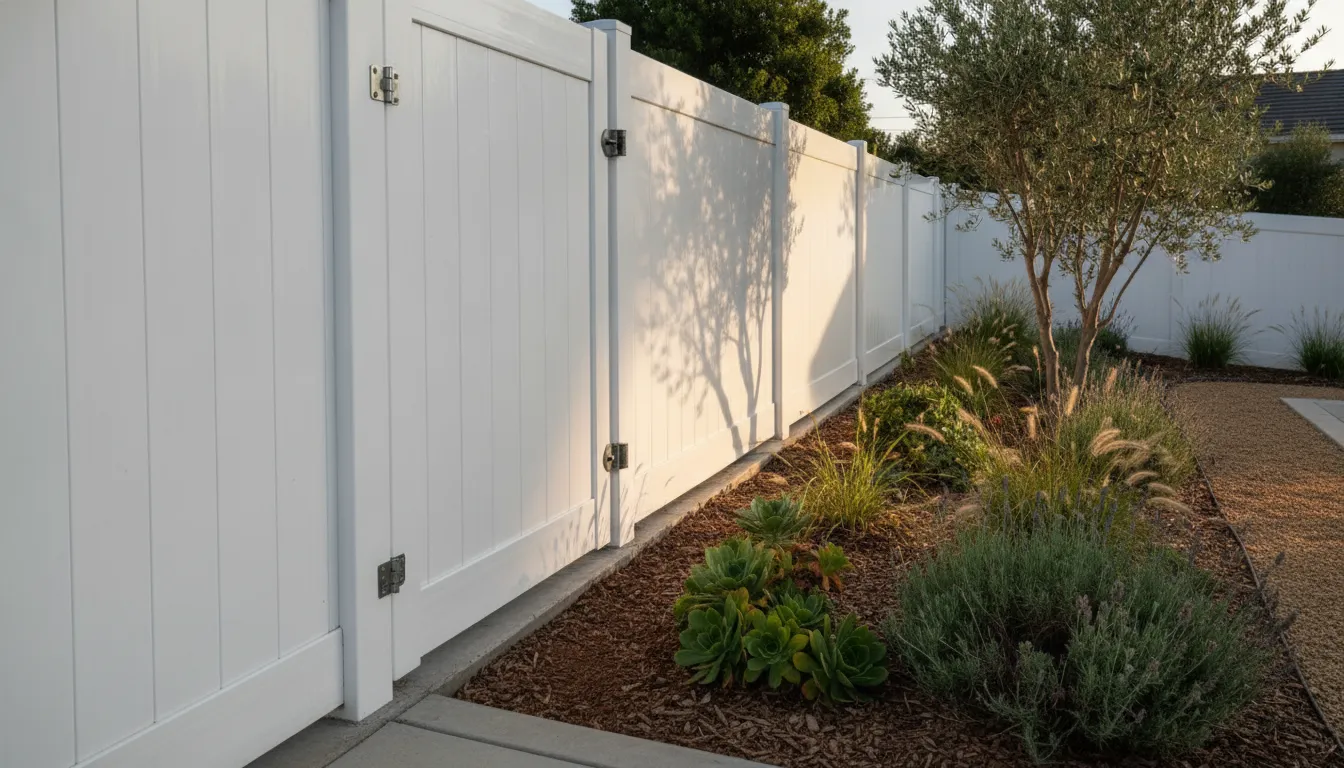
White is a familiar choice, but vinyl fencing may also be available in other colors, textures, and custom combinations depending on the product line. Browse this guide to vinyl fence colors and finishes to compare the visual effect before requesting samples or specifications. Confirm that the selected finish is actually available for the style and height you want, especially when combining panels, gates, and decorative details.
Ask what the material specification means
Product claims should be tied to the exact system being proposed. You can ask whether the vinyl includes features such as UV inhibitors, impact modifiers, or virgin vinyl, but these should be confirmed in the manufacturer documentation rather than treated as universal standards. The provider should also explain how rails, fittings, posts, and gates connect, and which installation instructions apply to the selected system.
Finally, discuss terrain before approving a style. Slopes, retaining walls, pool edges, tight access, and existing hardscape can affect panel transitions and gate placement. A site-specific recommendation is more useful than a generic promise from vinyl fencing companies.
What Should a Written Vinyl Fence Proposal Include?
A useful proposal turns a site conversation into a shared plan. It should describe what will be installed, where it will go, which materials are included, and what you can expect before work begins. A vague total or a product name alone makes it difficult to compare vinyl fencing companies fairly.
Site measurements and property details
The document should record the approximate fence length, fence height, number and location of gates, and any changes in direction. It should also explain how property lines will be handled and note relevant site conditions, such as slopes, steps, landscaping, existing hardscape, narrow access, or areas that need preparation. If the exact boundary has not been verified, the proposal should identify that as an open item rather than treating an estimate as a property survey.
Materials, gates, and installation scope
Look for the selected style, color, panel or rail configuration, post details, caps, fittings, and gate hardware. Product-specific features such as UV inhibitors or impact modifiers should be identified only when they apply to the quoted product. If you are comparing vinyl fence panel options, the proposal should make clear which panel dimensions and layout are included.
Gates deserve their own line items. The proposal should state the number, approximate width, swing direction, latch or hinge details, and any special access needs. It should separate demolition, disposal, grading, post preparation, installation, cleanup, and other work so you can see what is included and what may change the scope.
Schedule, warranty terms, and exclusions
A complete proposal should give an expected scheduling window without presenting it as a guarantee, along with the conditions that could affect timing. Warranty language should identify what is covered, who provides the coverage, how long the stated terms apply, and how service requests are handled. Ask whether manufacturer terms and workmanship terms are separate.
Finally, ask the installer to list exclusions and open questions. These may include HOA review, permit questions, utility locating, survey work, difficult access, or repairs to existing structures. Requirements can vary by property and project, so the proposal should clarify who will confirm each item. For broader comparison questions, use this residential fence hiring checklist alongside the vinyl-specific scope. If the project serves a business or shared property, also review commercial fencing company requirements.
How Do Southern California Site Conditions Change the Project?
A fence that looks straightforward from the street can require a very different plan once the installer walks the property. Ask how the provider will evaluate the conditions below before recommending a layout or preparing a final estimate.
How will the fence follow slopes, soil, and drainage?
Sloped ground may call for stepped sections, a gradual grade change, or a layout that follows the terrain more closely. The right choice depends on the fence style, privacy goals, gate locations, and how the finished line should look from both sides. Soil also affects preparation and post support. Ask whether the proposal identifies unusual soil, roots, washout areas, or locations where existing drainage must remain open. A thoughtful site assessment should include measurements and terrain, not just a length estimate.
What should be checked near the coast, hardscape, and pools?
Coastal exposure, wind, irrigation, and standing water are useful subjects for a material and installation discussion. The installer should explain which product specifications are appropriate for the site rather than treating every vinyl system as interchangeable. Existing concrete, pavers, walls, landscaping, and utility features can affect access, removal, post placement, and cleanup. Pool boundaries deserve careful layout review as well, including gates, clearances, and the relationship between the new fence and surrounding hardscape. Do not assume a general product recommendation answers a site-specific pool question.
How do access and neighborhood conditions affect installation?
Narrow side yards, shared driveways, occupied commercial areas, HOA expectations, and nearby neighbors can change staging and scheduling. Confirm how materials will reach the work area, what must be moved, and how the crew will protect finished surfaces. Property-line questions should be addressed before installation, especially where fences meet sidewalks, alleys, or adjoining yards. For broader planning, review this guide to Orange County fence and deck companies, then ask each provider to explain how its recommendations fit your actual property. If privacy is the main goal, compare the material-specific questions with this guide to privacy fence companies without treating it as a substitute for a site assessment.
What Happens During Professional Vinyl Fence Installation?
A well-managed vinyl fence installation follows a clear sequence. The crew should confirm the approved design, account for the property, and check the finished work before turning the project over to you. The exact details vary with the fence style, gates, terrain, and site access, but the process should include these steps:
- Assess the property. The installer reviews the approved scope, walks the fence line, confirms measurements, and discusses access, existing hardscape, slopes, drainage, and any areas that need special attention. Property-line questions should be addressed before materials are installed.
- Prepare the work area. The crew identifies the installation path and prepares the ground for posts and panels. This may include clearing vegetation or loose obstructions and coordinating around structures, utilities, landscaping, or other features identified during planning.
- Lay out the fence line. Post locations, corners, ends, transitions, and gate openings are marked from the approved design. Careful layout helps the finished vinyl fence follow the intended line while fitting the property and selected panel configuration.
- Install the posts, rails, and panels. The crew sets the posts and assembles the vinyl components according to the product system and manufacturer instructions. Posts and rails should remain plumb and true to the established lines and grades. Connections and caps should be secure and finished consistently with the selected style.
- Inspect the installation. A quality check looks at alignment, post stability, panel placement, corners, transitions, caps, and the overall appearance. The installer should also confirm that the fence matches the approved material and layout.
- Test the gates. Each gate should be opened and closed to check clearance, swing, latch operation, alignment, and overall feel. If the project includes multiple gates, test each one under its actual site conditions.
- Complete safety checks and the walkthrough. The crew reviews exposed edges, hardware, gate operation, and the work area, then removes installation debris. During the customer walkthrough, ask about routine care, future adjustments, warranty terms, and who to contact if a repair is needed.
Before work begins, ask how the company handles site preparation, installation, inspection, and follow-up. A vinyl fencing company that explains these responsibilities clearly gives you a better basis for comparing proposals and expectations. For a local installation-planning example, review local fence installation planning and then apply the same questions to your property.
How Do You Compare Maintenance, Repairs, and Warranty Support?
A vinyl fence should be straightforward to care for, but support after installation still matters. Ask each provider what routine cleaning they recommend for the specific product. Water and a mild detergent may be suitable for many cleaning jobs, but the installer should confirm the right approach for your fence’s finish and any manufacturer instructions.
Repair questions are just as useful as maintenance questions. Find out whether the company can diagnose loose rails, damaged pickets, gate alignment, post movement, or hardware issues, and whether its own crews handle follow-up service. Some vinyl systems allow individual rails or pickets to be replaced, but repairability depends on the product, the damage, and how the fence was installed. A clear answer is more valuable than a broad promise that every component can be repaired.
Read the warranty terms before approving the proposal. Separate product or manufacturer coverage from the installer’s workmanship coverage, then ask what each warranty includes, what it excludes, and how a claim is submitted. A G Vinyl Fencing describes a standard one-year workmanship warranty. Confirm that term and the applicable product warranty in your written project documents rather than relying on a verbal summary.
Finally, ask who your point of contact will be after the walkthrough and how service requests are scheduled. A company that explains maintenance, documents warranty terms, and remains available for repairs gives you a better basis for comparing long-term value. For broader questions about evaluating a residential provider, review this residential fence hiring checklist before making a decision.
Request a project estimate and discuss your vinyl fence support needs.
Frequently Asked Questions
What should I look for when choosing vinyl fencing companies?
Look for a provider that understands vinyl-specific products, evaluates your property in person, explains material and style options, and gives you a written scope. Confirm who handles installation, how gates and terrain will be addressed, what follow-up is available, and which warranty terms apply.
How much should I expect to pay for a vinyl fence?
There is no reliable single price because the total depends on fence length, height, style, gates, site preparation, access, terrain, and selected materials. Ask each company for an itemized, project-specific estimate that separates installation, gates, removal, and any additional preparation.
What are the downsides of vinyl fencing?
Vinyl may not suit every property or design preference. Some products have limited color or style choices, and panels, rails, and gates can require product-specific repair or replacement. Ask how the proposed material performs in your site conditions, how damaged components are handled, and whether the design fits your budget and appearance goals.
How can I tell whether a vinyl fence proposal is complete?
A complete proposal should identify measurements, property-line assumptions, fence style and dimensions, material specifications, posts, gates, finishes, preparation, exclusions, estimated timing, payment terms, and warranty coverage. It should also note any HOA, permit, access, or neighboring-property questions that need to be resolved before installation.
Can vinyl fence sections or gates be repaired later?
Often, individual rails or pickets can be replaced, but repairability depends on the product system and the damage. Keep the final material details and ask who will provide future service. A qualified installer should also explain routine cleaning, gate adjustments, and the process for requesting maintenance or repairs.
Get started with a project-specific estimate
Every Southern California property has different measurements, access considerations, materials, and installation needs. A project-specific review can help you compare suitable vinyl fencing options and understand what your proposal includes before work begins. To get started, request an estimate through the contact form. Share your goals, property details, and any questions about styles, gates, or site conditions so the team can recommend a practical next step.
Gary Andreasyan is at the forefront of A G Vinyl Fencing, setting the standard for high-quality fencing solutions. His expertise in vinyl fencing has positioned the company as a go-to for durable, low-maintenance fencing options that enhance property value and security. Gary’s commitment to customer satisfaction and innovative fencing solutions drives A G Vinyl Fencing’s success, providing clients with a range of styles and designs that meet their specific needs and preferences.


0 Comments