


{“@context”:”https://schema.org”,”@type”:”Article”,”headline”:”Vinyl Fencing Texas”,”description”:”Vinyl fencing Texas cost and climate guide.”,”image”:”https://zleague-public-prod.s3.us-east-2.amazonaws.com/article_images/7445a1d9-65ca-4d7f-a1b7-e50f07ee7d5f/vinyl-fencing-texas-cost-heat-rules-and-planning-650185.webp”,”keywords”:”vinyl fencing texas”,”author”:{“@type”:”Organization”,”name”:”A G Vinyl Fencing”},”publisher”:{“@type”:”Organization”,”name”:”A G Vinyl Fencing”}}{“@context”:”https://schema.org”,”@type”:”FAQPage”,”mainEntity”:[{“@type”:”Question”,”name”:”Is vinyl fencing good in Texas?”,”acceptedAnswer”:{“@type”:”Answer”,”text”:”Yes. Vinyl resists heat, humidity, pests, rot, and repainting.”}},{“@type”:”Question”,”name”:”What affects vinyl fence cost?”,”acceptedAnswer”:{“@type”:”Answer”,”text”:”Cost depends on length, height, gates, style. Post depth, labor, and removal.”}},{“@type”:”Question”,”name”:”Do Texas HOAs allow vinyl fences?”,”acceptedAnswer”:{“@type”:”Answer”,”text”:”Many do, but rules can control height, color, material, and approval steps.”}}]}
High-quality vinyl fencing Texas properties use is specifically engineered to withstand severe UV exposure and dramatic temperature swings without warping, cracking, or fading.
While standard wood fences rot from high humidity and peel under intense sun, vinyl provides an exceptionally durable, low-maintenance barrier. Academic research hosted by PubMed confirms that vinyl resists rot, rust, and insect damage over long-term outdoor use. Professional installations in the region typically range from $3,000 to $10,000 depending on project size. Homeowners save thousands over the lifetime of the fence by completely eliminating the need for staining, painting, or chemical treatments. This makes vinyl an ideal investment for property owners seeking reliable privacy and long-lasting curb appeal in the harsh Texas climate.
Preparing for a new fence installation requires understanding the vinyl fence pricing factors, regional weather challenges, and local wind load standards. To help you plan your backyard project, we have detailed Vinyl fencing Texas basics: what homeowners need to know, including material differences and wind safety factors. The journey begins with the basics.
Vinyl fencing Texas basics: what homeowners need to know
Quick answer: Vinyl fencing Texas projects work best when homeowners match fence style, post depth, and panel spacing to heat, wind, pets, privacy, and HOA requirements before installation begins.
Many Texas homeowners want to secure their yards without spending hours on upkeep. Installing Texas vinyl fence projects is a popular way to build a strong boundary. Unlike traditional wood or metal options, vinyl easily resists common outdoor issues like rot, rust, and insect damage. This material provides strong protection and lasts for many years without peeling (long-term use study).
Popular fence designs
Texas properties vary in size and layout, which means styles must match specific needs. You can choose a full privacy fence, a ranch rail design, or a classic picket style. A strong perimeter fence defines your boundary and blocks unwanted guests or wildlife (perimeter safety research). Standard sections are wide enough to fit most property lines.
Here are the three main options for Texas yards:
- Privacy fencing: These interlocking panels block sight lines and create a quiet backyard.
- Ranch rail fencing: This open style uses horizontal rails to define large properties.
- Picket fencing: This decorative style has spaced pickets to keep pets safe.
Weather and wind performance
When choosing vinyl fencing Texas weather is a key factor to consider. Intense heat and strong sun rays can fade traditional wooden panels and weaken cheap plastics over time. High-quality vinyl contains additives that help it withstand intense heat and UV rays. This protection keeps your fence looking new without needing paint or sealant.
Wind is another major factor across the Texas plains and coastal areas. Strong gusts can tear panels from poor supports during heavy storms. Professional builders use thick posts to keep the structure steady in high winds. Proper depth and reinforcement ensure your vinyl fence stays upright when storms hit.
Homeowners association guidelines
Before you start any vinyl fence installation, you must check local rules. Many Texas neighborhoods have strict homeowners associations (HOAs) that regulate fence height and color. While white is the standard color, some groups only allow tan or clay. Keep in mind that these custom colors can increase the initial material cost of your project.
HOAs also enforce strict rules about how high a fence can stand in your yard. Standard backyard fences are six feet tall, but some front yards require shorter pickets. Knowing these guidelines before you buy materials saves time and prevents costly fines. Before committing to a style, you should calculate the project pricing details to ensure the project fits your budget.
How much does vinyl fencing cost in Texas?
Quick answer: Vinyl fencing Texas pricing usually depends on linear footage, fence height, privacy level, gates, post depth, demolition, and local labor rather than material alone.
Planning a fence project requires a clear look at your budget. A typical residential project to install vinyl fencing for Texas yards ranges from $3,000 to $10,000 or more. The total price varies because every backyard has unique features, dimensions, and layout challenges. To get an accurate price, you must understand the key elements that contractors use to build their estimates.
Primary cost factors for Texas yards
Your total price depends mostly on the size and style of the fence. Linear footage is the main driver of material needs. Height is also a major factor. A taller fence uses more vinyl and requires longer, thicker posts to stay stable. For example, a three-foot section has a lower price than an eight-foot section. You can find sections ranging from three feet to eight feet in height to match your specific needs.
Your choice between privacy panels and picket styles will also change the cost of the project. Solid privacy screens require more raw vinyl materials than open picket designs. If you need secure gates, you will have to pay for extra heavy-duty hardware. Fences in this region must handle harsh sun and wind. Adding premium colors like tan or clay can cost more than standard white material prices. These colors help your home stand out, but they do increase the initial bill.
Yard conditions and labor expenses
Labor rates and site preparation can quickly change your final quote. Removing an old wood or wire fence adds extra hours to the work day. Flat ground is easy to build on, but steep slopes require custom stepping or racking. Rocky Texas soil also makes digging post holes much harder. Hard ground requires heavy machinery, which increases the labor cost. You must also check local building codes to see if you need a permit for your project.
Getting a professional professional vinyl fence installation ensures that your fence will stay straight and sturdy. Experienced local builders know how to handle strong winds and clay soils. While you can try to install a fence yourself, hiring professionals prevents costly mistakes. A professional team will ensure your posts are deep enough to resist strong wind gusts.
Comparing fence choices and features
When planning your project, it helps to compare standard and heavy-duty choices. The vinyl fence cost guide depends on these specific features. Vinyl is a durable material that lasts for many years with little maintenance. Research shows that vinyl stands up well in climates with high sun exposure, as shown in polymer durability studies. This durability provides great long-term value compared to natural wood that rots or warps.
The table below compares a standard backyard option with a heavy-duty option. It shows how changes in height, color, and posts affect the materials you need.
For budgeting, compare the style, height, color, post size, and gate count instead of looking only at the panel price. A taller privacy fence, a premium color, or reinforced gate hardware can raise the quote even when the fence line is the same length.
Is vinyl fencing good for Texas heat and storms?
When choosing a fence for your property, you must consider the local climate. The unique weather in Texas presents specific challenges for outdoor structures. From blazing summer sun to sudden, violent thunderstorms, your yard barrier must withstand harsh weather. Many homeowners are finding that installing Texas-ready vinyl fence materials offers a reliable, low-maintenance solution that stands up to these forces.
Texas heat and sun exposure
Texas summers bring intense sun and high temperatures, which can damage standard building materials. Modern vinyl is built to resist these elements. High-quality vinyl fencing contains special UV inhibitors like titanium dioxide. This ingredient acts as sunscreen for your yard barrier. It keeps the plastic from breaking down, cracking, or turning yellow under constant sun exposure.
Extreme heat also causes vinyl panels to expand and contract. Fences must have enough room to move as the temperature changes. Professional installers use physical expansion gaps in the rails to prevent buckling. Because of this flexible design, quality vinyl will stay straight and beautiful.
Unlike wood, which rots in high humidity, or metal, which rusts, vinyl is highly stable. Academic research shows that vinyl is a durable choice because of its resistance to rot, rust, and insect damage in many climates.
Because of this extreme durability, well-maintained vinyl can last far longer than a regular wood fence. Wood often warps under the blazing sun or rots in high humidity. Vinyl does not absorb water, so it will not rot, split, or attract hungry termites.
Wind and storm durability
Texas storms can bring powerful winds and heavy rain. Standard vinyl privacy fences can act like a sail during high winds. If the wind cannot pass through, it puts huge pressure on the structure. This is why material quality and proper post depth are so important.
To survive high winds, posts must be set deep in the ground with concrete footings. Installers often recommend using thick posts for wind stability. For example, a heavy duty 5-inch by 5-inch vinyl post provides the strong support needed for a tall privacy fence. In open areas, some contractors also add internal metal inserts to reinforce the posts against severe storm gusts.
Storm preparation starts with smart construction choices. Key features to look for include:
- Heavy duty posts measuring five inches by five inches to resist bending.
- Concrete footings poured deep enough to anchor each post securely.
- Reinforced aluminum inserts inside the main gate posts.
- Standardized rails that lock into place but allow small movements.
Why professional installation matters
Getting a fence to last through years of intense heat and seasonal storms requires more than just good materials. Professional setup is key. An expert team understands how to calculate wind loads and set deep concrete footings. They know the correct spacing for panels, ensuring the fence can flex without breaking. Professional vinyl fence installation prevents common mistakes that lead to storm damage.
Experienced contractors often back their labor with a warranty to give you peace of mind. When planning your project, look for teams with a strong reputation and solid local experience. You can request a free consultation to discuss the best design for your property.
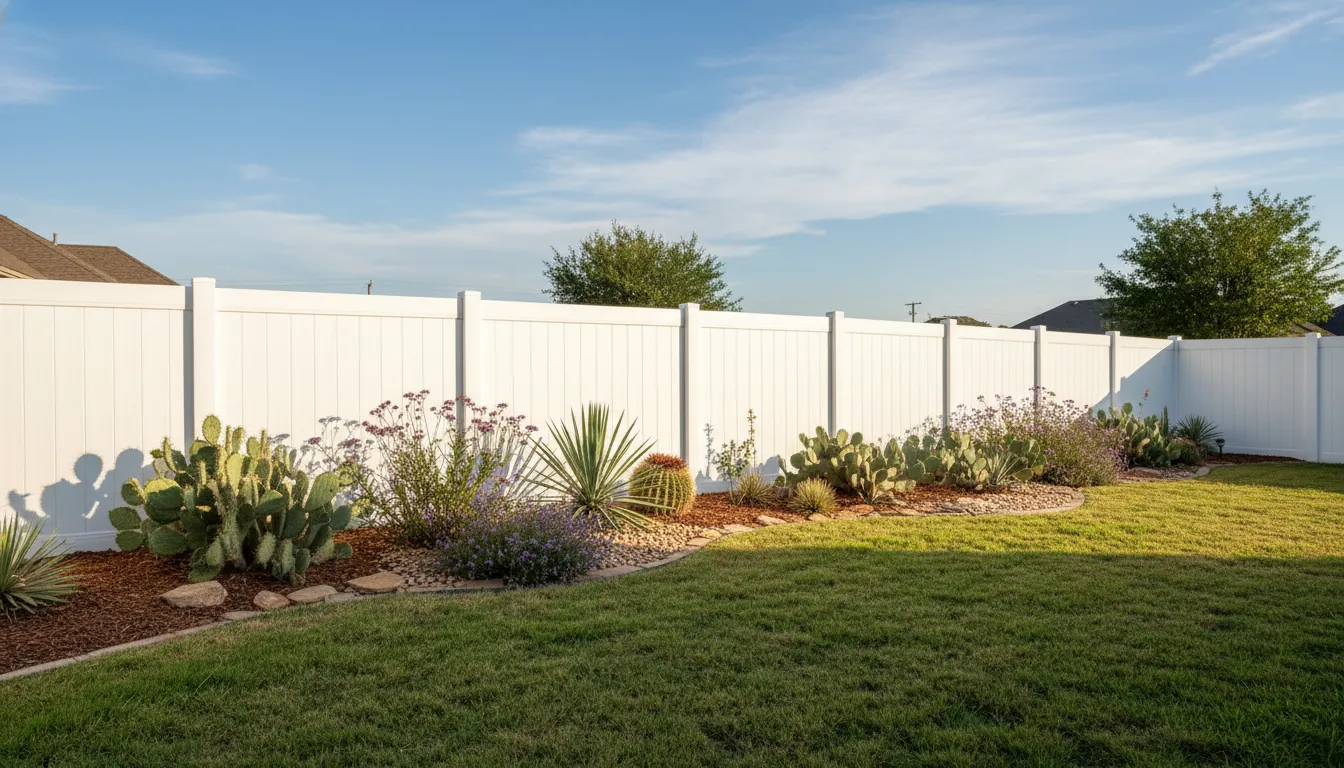
Vinyl vs wood fencing for Texas yards
Quick answer: Vinyl fencing Texas homeowners choose often costs more upfront than basic wood, but it resists rot, insects, repainting, moisture, and warping in hot climates.
Choosing the right fence material for your yard is a major decision. Texas homeowners must select fences that can handle intense sun, heavy rain, and local pests. Wood is common, but many people now choose durable vinyl instead. It is important to compare how both perform over time in our climate.
Weather resistance and longevity
Hot Texas sun damages traditional building materials. Wood fences warp, crack, and split when exposed to heat and UV rays. You must stain or paint natural wood every few years to stop this damage. This upkeep takes time and effort.
A study on polymer longevity shows that vinyl resists extreme temperature changes and moisture. It does not rot, warp, or split under the sun.
High humidity and damp ground also present challenges for homeowners. Moisture can rot wood posts and rails. Clay soil holds moisture for a long time. Termites also eat natural wood, which means you must use chemical treatments to protect it.
Vinyl does not absorb water. It is immune to wood-boring pests. This makes the synthetic material ideal for yards with automatic lawn sprinklers or wet soil.
Maintenance requirements and expenses
The work to keep a fence looking good varies by material. Wood requires regular sanding, painting, and sealing to stay strong and attractive. Without this care, wood turns gray and loses its strength. This maintenance requires buying expensive tools and supplies.
Vinyl requires little upkeep. You need to spray it with a hose to wash away dirt and grass. For busy families, this easy care is a big benefit.
You must also look at both upfront prices and long-term costs. Wood fences cost less to install initially. But the regular cost of stain, paint, and repairs adds up over time.
Vinyl panels have a higher upfront price. But you will never pay for paint, stain, or replacement parts. When you evaluate the total lifecycle cost, the long-term vinyl fence pricing guide is often much lower than wood.
Professional installation also protects your investment. Deep posts keep your fence from leaning during heavy wind storms.
Privacy features and appearance
Both options can create secure and private backyard spaces. A solid perimeter fence defines your boundaries and keeps pets safe. Standard vinyl privacy sections are often 72 inches tall and come in standard 96-inch widths. These standard sizes make low-maintenance fencing for Texas homes fast and simple to install.
Wood provides a classic, natural look. But modern vinyl now comes in several colors and wood-grain patterns. You can choose standard white or pay more for clay, tan, and gray colors that never need repainting. This ensures your backyard looks clean and stays secure without weekend chores.
Wood can offer a natural look and a lower starting price. Vinyl offers stronger moisture resistance, lower routine care, and no staining or painting schedule. For many Texas homeowners, that lower upkeep is the main reason to compare vinyl against wood.
| Factor | Wood | Vinyl |
|---|---|---|
| Upkeep | Needs stain or paint | Needs washing |
| Moisture | Can rot | Resists rot |
| Pests | Can attract termites | Does not feed termites |
What Texas fence rules should you check before installing vinyl?
Installing a new fence is an exciting way to secure your yard. Many homeowners choose vinyl fence options for hot climates because it resists the hot sun and strong winds. But before you dig any holes, you must understand your local rules and requirements.
Neighborhood and city requirements
Your city or homeowner association (HOA) has specific rules for your property. Fences must follow these local laws to avoid fines or removal. According to research on material durability, vinyl is a low-maintenance option that resists rot and insects. This resistance makes vinyl suitable for long-term use in changing climates.
A proper boundary fence serves to protect your property and control your yard environment. A strong perimeter fence defines borders and keeps out unwanted wildlife. To build your yard barrier correctly, you must complete several practical checks first.
Seven steps to prepare for your installation
Preparing your yard and getting approvals before the work begins saves you time and money. Following these seven steps will help you stay compliant with local laws. When you plan your vinyl fence installation, use this clear checklist to guide your project step by step.
- Get HOA or ARC approval. Most planned neighborhoods require you to submit your fence style, height, and color to the design board. You must get their written approval before you buy any materials.
- Apply for a city permit. Your local building department can tell you if you need a permit for your fence. They will also tell you the local height limits and setback rules.
- Locate your property lines. Do not guess where your yard ends and your neighbor’s yard begins. You should find your property stakes or hire a professional surveyor to mark the exact boundaries.
- Mark underground utility lines. Call 811 before you dig to have workers mark gas, water, and power lines. This service is free and protects you from hitting buried lines during post hole digging.
- Check for easements. An easement is a piece of your land that utility companies or the city have a right to use. Building a fence on an easement can lead to the city tearing it down later.
- Review pool barrier rules. If you are fencing a pool, Texas has strict safety rules for gate latches and gap sizes. Your vinyl fence must meet these state and local codes to prevent accidents.
- Talk to your neighbors. It is polite to let your neighbors know you are building a new fence. This chat helps prevent property disputes and keeps everyone happy during the installation process.
Legal disclaimers and local updates
Please note that local rules can change, and fence laws vary widely across different cities and counties in Texas. This guide provides helpful tips, but it does not count as professional legal advice. You should always contact your local city hall or a professional contractor to confirm the current rules for your specific area.
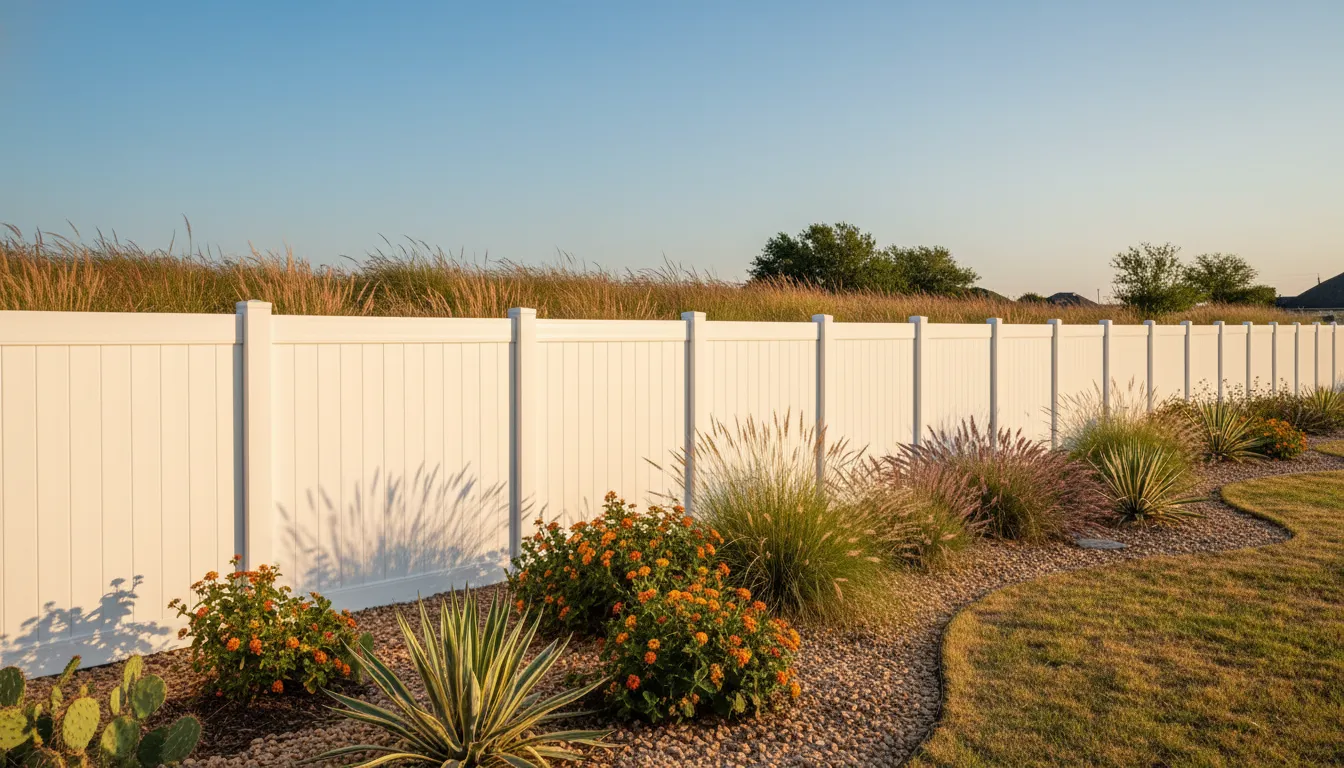
How to plan a vinyl fence that lasts in Texas
A strong vinyl fence starts before the first post hole. Texas lots can bring hard soil, slope changes, sprinkler lines, utility paths, and HOA rules into the same project. A clear plan helps your installer build a fence that looks clean, opens where you need it, and handles daily use.
Start with the way your yard is used
Walk the fence line and think about privacy, pets, kids, pool areas, trash bins, and side-yard access. Mark where gates should go before you choose a style. A gate that is too narrow can make mower access hard. A gate in the wrong spot can turn a simple routine into a daily hassle.
Measure the total run, but do not stop there. Note corners, grade changes, trees, retaining walls, drainage paths, and sprinkler heads. These details affect post placement and installation time. They can also change the best fence style for the space.
Match the style to the exposure
Privacy panels are popular because they block views and create a more finished backyard. Open picket and ranch rail styles can feel lighter and may suit front yards or larger lots. In windy, open areas, post depth, spacing, and gate hardware matter as much as the panel style.
Color is another planning choice. White vinyl gives the classic clean look many homeowners expect. Tan or other neutral tones can blend better with dry grass, stone, and warm exterior colors. Ask how each option will look with your roof, trim, patio, and landscaping.
Use a simple planning sequence
- Confirm the property line and any easements before marking the layout.
- Choose the main goal: privacy, curb appeal, pet safety, pool security, or a mix.
- Mark gate locations for foot traffic, lawn care, service access, and trash bins.
- Check sprinkler heads, drains, tree roots, and grade changes along the run.
- Review HOA, city, and pool-barrier rules before materials are ordered.
- Schedule utility marking before digging begins.
If you want help turning a rough idea into a clean layout, contact A G Vinyl Fencing for a vinyl fence quote. A short site review can prevent costly changes once work starts.
Maintenance tips for vinyl fencing in Texas
Texas weather can challenge any home perimeter. Hot summers, thick dust, and heavy storms can dirty your yard borders. Fortunately, choosing weather-resistant vinyl fence designs means you will not spend weekends painting your fence. This material resists rot and insect damage. It is suitable for long-term use even in harsh climates.
While these panels are tough, they still need some light attention to look their best. Following a basic care routine will help you protect your investment. A few quick steps each season can help your panels stay clean and stable over time.
Cleaning dust and pollen
Texas wind often blows dust, dirt, and pollen onto outdoor surfaces. To keep your fence looking clean, you should rinse it with a garden hose once a month. This simple spray removes most loose dirt before it can build up. If you notice tough spots, a soft cloth and mild soap will do the trick.
You must avoid harsh cleaning tools and strong chemicals when washing your vinyl panels. Using steel wool, wire brushes, or abrasive pads can scratch the smooth plastic. These scratches will trap dirt and make future cleaning much harder. Also, do not use chlorine bleach or strong solvents because they can fade the color of your fence.
You only need a few basic tools to clean your fence:
- A standard garden hose with a spray nozzle.
- A bucket of warm water mixed with mild dish soap.
- A soft microfiber cloth or non-abrasive sponge.
- A soft-bristle brush for stubborn mud spots.
Checking gates and hardware
Regular inspections are key to keeping your yard secure. High winds and sudden storms can put pressure on your gates. You should walk along your perimeter after major weather events to check for loose posts or shifting panels. Fixing small issues early protects the overall Texas fence cost planning by avoiding major repairs.
Gates get the most daily wear. Check the hinges and latches twice a year to ensure they swing smoothly. If a gate drags on the ground, it can warp the frame. Adjusting the hardware or tightening the screws will keep your yard secure. A quick spray of silicone lubricant keeps the hinges quiet.
Managing plants and irrigation
Heavy plants, bushes, and tree branches can damage your fence. If weeds or heavy vines grow directly on the panels, their weight can make the vinyl warp or sag over time. Strong winds can also rub tree branches against the surface, which causes scuffs and scratches. You should trim all bushes, trees, and weeds at least one foot away from your fence line.
Sprinkler overspray is another common cause of fence staining in Texas. If your lawn sprinklers hit the fence every day, the water can leave dull, dark mineral spots on the panels. Over time, these mineral deposits become hard to wash away. Adjust your sprinkler nozzles to point away from the fence to prevent this ugly buildup. This simple fix protects the clean look of your investment.
Frequently Asked Questions
What does 100 ft of vinyl fencing cost?
A 100-foot vinyl fence installation in Texas generally costs between $3,000 and $7,800. This price range depends on the height, style, gate additions, and local labor rates. For example, a standard six-foot-tall privacy panel from Texas Fence and Deck starts around $258 for standard white. Colored finishes may cost more than standard white, depending on the product line. Additional expenses like post concrete and gate hardware also affect the final price.
What are the downsides of vinyl fencing?
The primary downside of vinyl fencing is the higher upfront material cost compared to wood. Premium colors like tan or clay add twenty percent to standard white pricing, as shown by Texas Fence and Deck. Additionally, extreme physical impact can crack vinyl panels. Unlike wood, where you can replace a single board, repairing a cracked vinyl fence often requires replacing the entire interlocking panel section.
What is the new law on fences in Texas?
Under Texas Property Code Section 259.002, homeowners associations cannot prohibit residents from installing a fence for home security. However, these local associations can still regulate the fencing materials and require formal approval before installation. According to academic research in PubMed Central, building a proper perimeter fence is a critical step to define boundaries and protect against wildlife. Homeowners must still follow city permit codes and setback rules when installing a new barrier.
Is vinyl or wood fencing better for Texas weather?
Vinyl fencing is generally better than wood for Texas weather due to its high resistance to extreme heat, heavy moisture, and UV rays. Standard wood fences often warp under the hot sun or rot in high humidity. In contrast, academic studies on PubMed show that vinyl resists rot and insect damage over long periods. While vinyl has a higher upfront price, it requires no painting or staining, which saves homeowners money over time.
Ready to plan vinyl fencing in Texas?
The best fence for a Texas yard is the one that fits your layout, rules, budget, and long-term upkeep goals. If you are comparing styles or trying to understand what your project may cost, A G Vinyl Fencing can help you look at the details before you commit.
Request a free vinyl fence quote
Get practical guidance for your next project.

Gary Andreasyan is at the forefront of A G Vinyl Fencing, setting the standard for high-quality fencing solutions. His expertise in vinyl fencing has positioned the company as a go-to for durable, low-maintenance fencing options that enhance property value and security. Gary’s commitment to customer satisfaction and innovative fencing solutions drives A G Vinyl Fencing’s success, providing clients with a range of styles and designs that meet their specific needs and preferences.


0 Comments