


Southern California backyards often need more than a decorative focal point. Strong summer sun, dry heat, and occasional rain can determine whether an outdoor seating area feels comfortable or sits unused. The right overhead structure depends on how much protection you need, how open you want the space to feel, and how much maintenance fits your plans.
Ready to compare shade options for your Southern California backyard? Request a free patio cover consultation and get a side-by-side estimate for your space.
The best pergola vs patio cover choice comes down to shade and weather protection versus openness and design flexibility. A pergola uses open rafters to create partial shade and an airy outdoor room. While a patio cover uses a solid roof for more complete protection from sun and rain. Cost, materials, permitting, and installation requirements also affect the decision.
Both options can be designed around the size, layout, and style of your backyard. Understanding the structural difference first makes it easier to compare comfort, materials, budget, and long-term upkeep before choosing a solution.
What Is the Real Difference Between a Pergola vs Patio Cover in a SoCal Yard?
The main difference is the amount of overhead coverage each structure provides. A pergola uses an open framework of joists and rafters, while a patio cover has a permanent, solid roof. That distinction affects shade, weather protection, maintenance, and how you use the space.
Open-air design versus full overhead protection
A pergola creates definition without closing in the backyard. Its open rafters allow light and air to pass through, so the structure provides partial shade rather than complete coverage. This makes it a strong choice for homeowners who want an airy gathering area. A visual focal point, or a dedicated outdoor room that still feels connected to the rest of the yard. Pergolas can also support climbing plants, adding natural color and texture as the landscape matures.
A patio cover is designed for more consistent protection. Its solid roof blocks direct sun and helps shield furniture and guests from rain. Because it covers the patio overhead, it can make outdoor dining, seating, or entertaining more comfortable when weather conditions change. Local building guidance describes a patio cover as a roofed structure intended for shade or protection from elements such as rain, snow, and sun. Review the permitting definition before choosing a design.
- Pergola: Open joists and rafters, partial shade, and a lighter visual profile.
- Patio cover: Solid roof, more complete shade, and stronger protection from rain and sun.
- Pergola: Best for defining an outdoor room, adding structure to a landscape, or supporting climbing plants.
- Patio cover: Best for creating a more dependable year-round covered living area.
Durability also differs by material, installation quality, and exposure. A typical pergola may last about 10 to 25 years, while a patio cover may last about 15 to 30 years. These ranges are planning estimates, not guarantees. The structure’s material, roof design, drainage, fasteners, and maintenance routine all influence its service life.
When weighing pergola vs patio cover options, start with how you want the space to function. Choose the open character of a pergola if filtered light and design flexibility matter most. Choose a patio cover if reliable shade and weather protection are higher priorities. For inspiration, explore these pergola design trends for Southern California before comparing layouts and materials.
Sun Protection and SoCal Heat: Which Structure Delivers More Shade?
Southern California outdoor spaces face intense summer sun, hot dry conditions, and long stretches of bright weather. In that setting, the roof design matters as much as the overall appearance. A solid patio cover provides the strongest protection because it blocks 100% of ultraviolet rays and helps keep the space below dry. It also creates a more consistently shaded area for dining, relaxing, or protecting outdoor furnishings.
A pergola takes a lighter approach. Its open rafters filter sunlight and create partial shade while preserving an airy, open feel. That design works well when you want some relief from direct sun without making the patio feel enclosed. However, the shifting sun can still reach the space below, especially when the rays come in at a low angle during the morning or late afternoon. A pergola also does not provide the same rain protection as a solid roof.
For homeowners comparing a pergola vs patio cover, the practical question is how reliably the structure must control heat. A solid roof meaningfully reduces direct solar heat gain underneath. The covered area can feel more comfortable during peak afternoon exposure because the roof stops sunlight before it reaches the patio surface and furnishings. A pergola reduces exposure but leaves openings that allow sunlight and warmth through.
What about wind and the marine layer?
Coastal and inland conditions can vary across Orange County, Los Angeles County, and the Inland Empire. Some days bring a cool marine layer, while other days bring stronger breezes and dry heat. Neither structure eliminates changing outdoor conditions, but a solid patio cover gives better day-to-day control over sun and light precipitation. A pergola remains more open to airflow, which can feel pleasant when temperatures are moderate and the goal is a breezy outdoor setting.
Consider how you use the space before choosing. If you want dependable shade for midday meals, summer gatherings, or temperature-sensitive furniture, a patio cover is usually the more protective option. If you prefer filtered light, visible sky, and a structure that feels visually open, a pergola may be the better fit. Vinyl patio covers can also be tailored to the home and yard. Explore custom vinyl patio cover designs to see how shade coverage and style can work together.
Patio Cover Materials: Vinyl, Aluminum, or Wood
Material choice affects how your patio cover looks, how much care it needs, and how well it holds up over time. Vinyl and aluminum are the materials A G Vinyl Fencing installs for patio covers. Wood remains a traditional alternative for homeowners who prefer its natural character, but it requires more ongoing maintenance. The right option depends on your design goals, upkeep preferences, and project requirements.
| Factor | Vinyl | Aluminum | Wood |
|---|---|---|---|
| Durability | Resists rot, warping, and fading in outdoor conditions. | Durable and resistant to common climate stressors. | Can last when properly protected, but is more vulnerable to moisture, pests, and weathering. |
| Maintenance | Low maintenance, with routine cleaning usually being the main need. | Low maintenance and does not require the same recurring refinishing as wood. | Requires ongoing care, including sealing, staining, painting, and inspections. |
| Appearance | Clean, consistent, and easy to coordinate with many home styles. | Modern and streamlined, with finishes that can simulate the look of wood. | Classic natural grain and a warm, traditional appearance. |
| Typical Cost | Varies by size, design, and installation details. | Varies by size, finish, and structural requirements. | Varies by wood species, design, labor, and long-term maintenance needs. |
| Best For | Homeowners who want durable shade with minimal upkeep. | Homeowners who want a durable modern look or a wood-like finish. | Homeowners who value natural character and accept regular upkeep. |
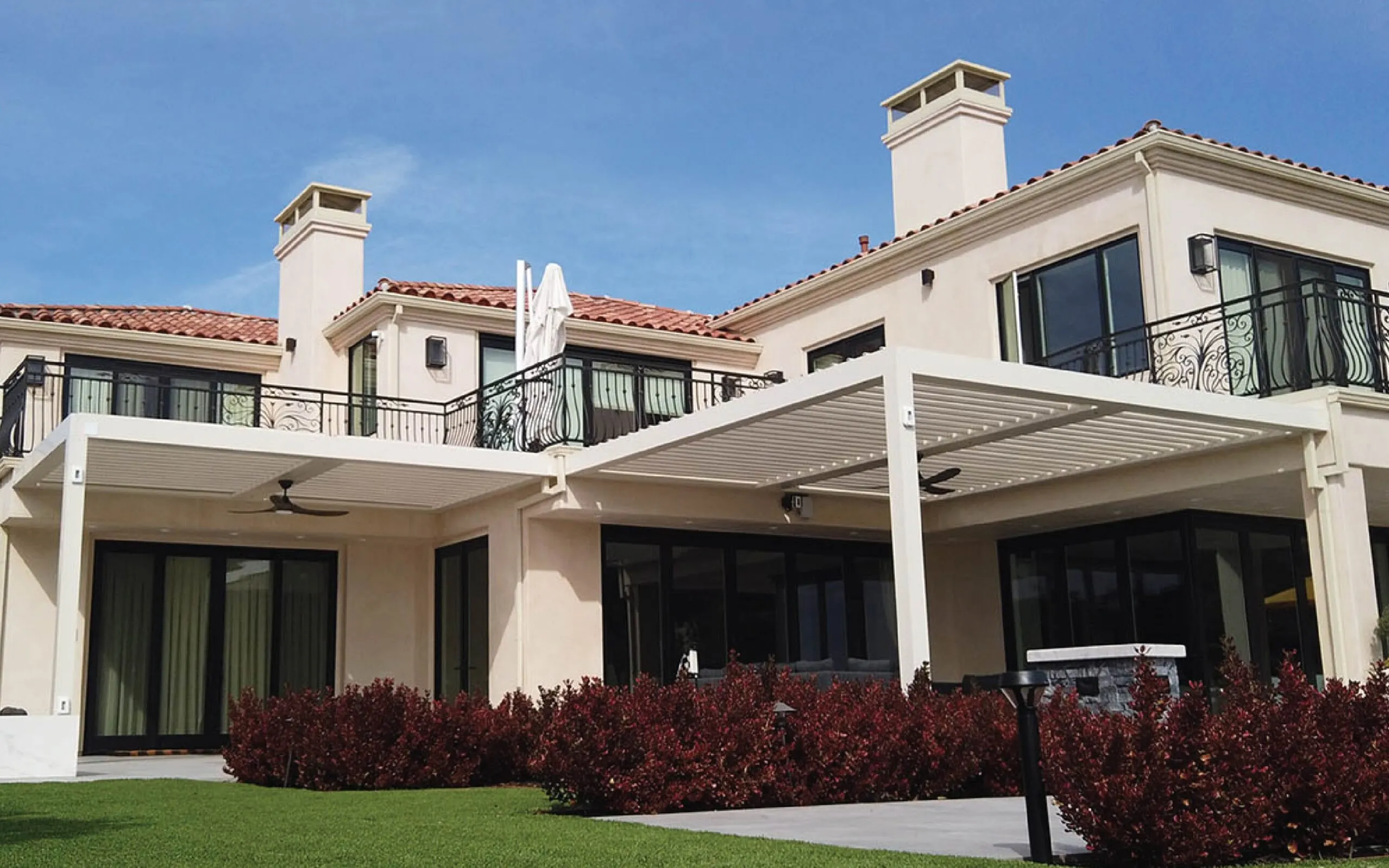
Why vinyl patio covers work well in Southern California
Vinyl is a practical choice when you want a polished patio cover without the recurring maintenance associated with traditional wood. It resists rotting, warping, and fading, which helps the structure maintain a consistent appearance through outdoor exposure. A high-quality vinyl design can also support a clean, comfortable backyard setting without making seasonal refinishing part of your routine.
Explore vinyl patio covers if low maintenance and long-lasting value are priorities. The final cost still depends on the cover’s size, complexity, and local code requirements, so a project consultation is the best way to evaluate the details.
When aluminum is the better fit
Aluminum suits homeowners who prefer a modern profile or want a finish that can simulate wood while providing durable performance. It resists environmental stressors common in Southern California and offers a strong alternative to wood without the same maintenance burden. Review aluminum patio covers when appearance, durability, and climate resistance all matter.
Wood can still be appealing for its classic charm, but its upkeep should be part of the decision from the beginning. Comparing material performance alongside the larger pergola versus patio cover goals will help you choose a structure that fits both your backyard and your maintenance expectations.
How Much Does a Pergola or Patio Cover Cost in Southern California?
A pergola generally costs less upfront because its open rafters use less structural roofing material. A patio cover usually costs more because it requires a solid roof designed to provide broader shade and protection. That difference gives homeowners a useful starting point, but it does not produce one universal price for every Southern California project.
For a reliable comparison, evaluate the complete scope rather than comparing structure names alone. A compact pergola with a straightforward layout may have a lower starting cost than a large patio cover. However, a highly customized pergola with substantial posts, decorative details, or difficult site access can narrow the gap. Likewise, a patio cover with a simple design may be more predictable than a complex structure that requires additional planning.
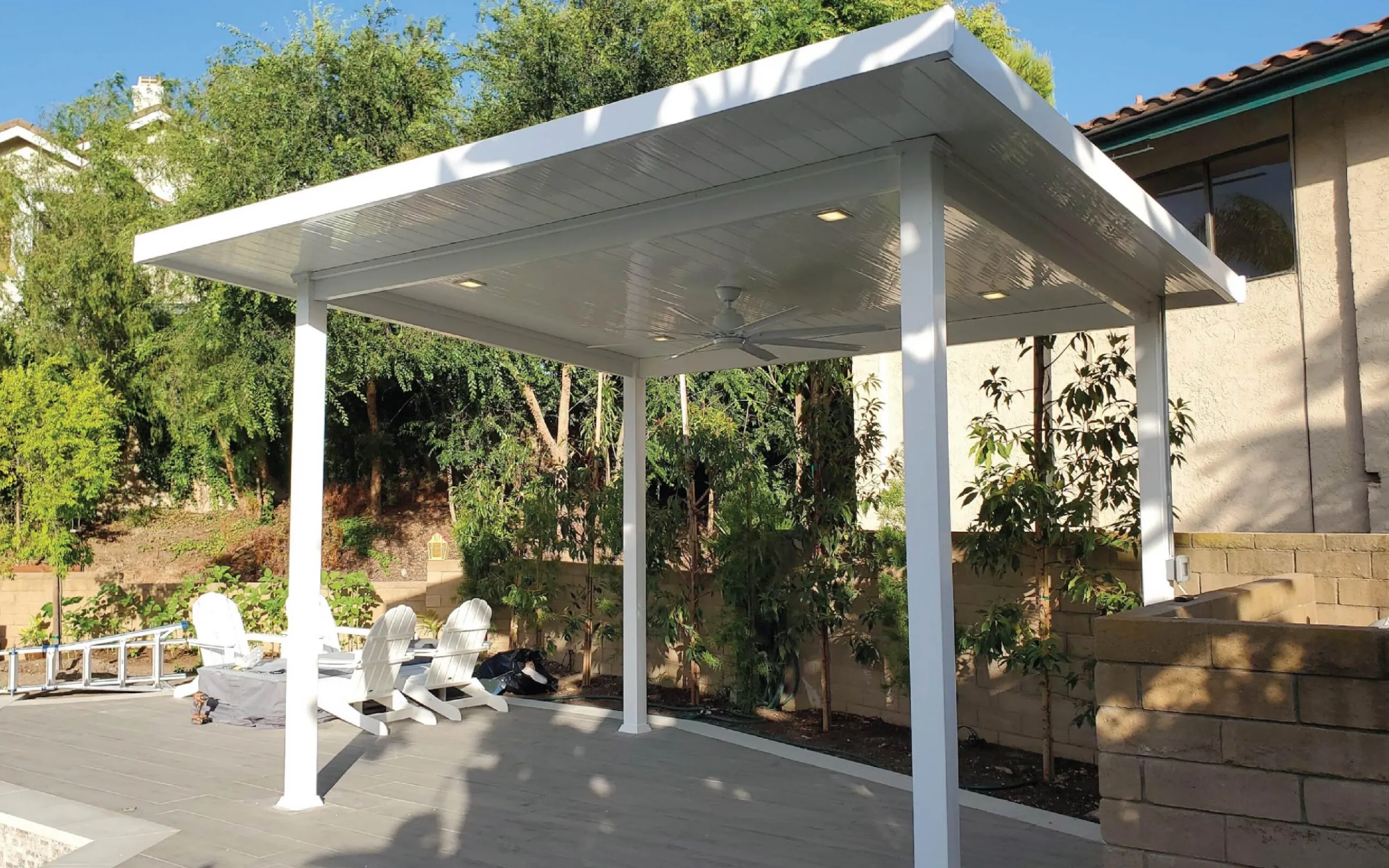
What drives patio cover costs?
Size is one of the clearest cost factors. A larger covered area requires more materials, labor, and structural planning. The shape of the cover also matters. A simple rectangular design is typically easier to plan than a structure with multiple roof lines, unusual spans, integrated features, or connections to an existing home.
Material selection affects both the initial investment and the long-term maintenance outlook. Vinyl patio covers are designed for a clean, low-maintenance appearance, while aluminum offers a durable, modern option for Southern California conditions. The best choice depends on the look you want, the exposure of the backyard, and how much upkeep you are willing to handle. You can review more project-specific information about vinyl patio cover cost before requesting an estimate.
Local code requirements can affect the scope as well. Depending on the project, permitting and structural details may require additional planning beyond the visible cover itself. The final cost can therefore depend on size, design complexity, materials, site conditions, and local requirements, not simply whether the project is labeled a pergola or patio cover. A government patio-structure guide likewise notes that submitted requirements are not an all-inclusive list, so local review remains important: patio structure permitting guidance.
In practical terms, choose a pergola when you want a lighter, more open outdoor feature and a lower starting investment. Choose a patio cover when full roof coverage and greater weather protection justify the additional construction. A detailed site review can turn that broad comparison into a scope-based estimate that reflects your Southern California property.
Permits and Installation: Planning Your Backyard Project
A successful backyard project starts before materials arrive. Pergolas and patio covers are usually treated as accessory structures, so the permit path depends on the structure, size, attachment, and local requirements. A complete plan gives the building department enough information to review the project.
Use this checklist to organize the permit and preparation process:
- Confirm the local requirements. Ask the city or county building department which permits, setbacks, inspections, and HOA approvals apply. Requirements vary by jurisdiction, and an accessory structure may have rules that differ from a simple patio improvement. A local guide from Prosper’s building department identifies detached arbors, pergolas, and patio covers as outdoor structures that can fall under accessory regulations.
- Prepare a site plan or plot plan. Show the proposed structure’s location, dimensions, and distance from property lines and easements. Include relevant existing conditions, such as window wells and mechanical equipment, so the reviewer can evaluate clearance and placement. The Erie County permit checklist provides examples of the site information commonly requested.
- Develop the framing or structural plan. Document lumber or structural member sizes, header spans, rafter spacing, columns, connections, and foundation details. Clear framing information confirms that the design can support its roof instead of leaving decisions to the jobsite.
- List the materials. Identify the roof system, posts, beams, fasteners, foundations, and finish materials. For patio covers, note whether the project uses vinyl or aluminum, since material specifications can affect the approved design and final appearance.
- Check foundation and pier requirements. Patio covers larger than 250 square feet require piers according to the referenced municipal guidance. New piers may require dimensions, depth, and reinforcement details. Confirm the local standard before excavation.
- Complete the homeowner affidavit when applicable. If you are acting as your own contractor, the permitting office may require a homeowner affidavit. Professional installation can simplify this process and keep responsibility for construction details with an experienced team.
Why professional installation matters in Southern California
Professional installation matters for more than appearance. In Southern California, experienced crews help align the design with local permitting expectations, coordinate structural details, and build for long-term durability in the regional climate. That combination can reduce avoidable corrections and protect the improvement’s value.
Scheduling depends on design complexity, access, size, and inspections. A pergola commonly takes about one to three days to install, while a patio cover commonly takes three to seven days. Build extra time into the plan for permit review, material coordination, and any required inspections. Starting with accurate documents and a qualified installer makes the project easier to manage from the first layout mark through final approval.
Not sure whether a pergola or a patio cover fits your yard best? Talk to our team about your layout and we will help you weigh the tradeoffs.
How to Choose Between a Pergola and a Patio Cover
The right structure depends less on appearance and more on how you plan to use your backyard. Start with your routine, then weigh sun protection, budget, maintenance, and neighborhood rules. The central choice is whether your priority is dependable coverage or an open design statement.
If you want year-round outdoor living
Choose a patio cover when you want to dine, host guests, or relax outside through different seasons. Its solid roof provides dependable shade and helps protect furniture and occupants from direct sun. That coverage is especially useful in Southern California, where summer heat can make an uncovered seating area uncomfortable.
A patio cover also makes sense when rain protection matters. You can place dining or lounge furniture beneath it without designing the space around changing weather. Vinyl and aluminum are practical choices when you want a finished structure with less maintenance than traditional wood. A G Vinyl Fencing offers both materials for patio cover projects.
Budget still matters. A patio cover usually requires a larger initial investment because the solid roof involves more materials and structural planning. Ask for an estimate based on the covered area, roof style, attachment method, and site conditions. Check HOA rules early because associations may regulate height, setbacks, colors, rooflines, or approvals.
If you want an airy design statement
A pergola may be the better fit when you prefer filtered light, open views, and a defined outdoor room rather than complete weather protection. Its overhead rafters create visual structure without closing in the space. This works well for seating, a garden focal point, or an entertaining zone where airflow matters.
For more control than a fixed pergola provides, a louvered pergola offers a hybrid approach. Adjustable louvers can open for sunlight and airflow, then close when you need more shade. This bridges the gap between a pergola’s lighter appearance and a patio cover’s controlled overhead protection.
Make the decision by ranking your needs rather than comparing labels. If full shade, dry furniture, and frequent year-round use come first, start with a patio cover. If design flexibility, filtered light, and an open feel matter most, begin with a pergola. When priorities are balanced, discuss a louvered or customized solution with an experienced installer and confirm HOA requirements before finalizing the plan.
Ready to plan the right structure for your space? Get your free estimate from A G Vinyl Fencing today.
Frequently Asked Questions
What is the main difference between a pergola and a patio cover?
A pergola uses open rafters or slats that provide partial shade and an airy, decorative feel. A patio cover has a solid roof, so it offers more complete shade and better protection from sun and rain.
Are patio covers better for hot Southern California weather?
Usually, yes, when your priority is reducing direct sun on a seating or dining area. A solid patio-cover roof creates more consistent shade throughout the day, while a pergola allows filtered light and airflow. Your yard orientation, roof design, and preferred outdoor experience still matter.
Is a pergola or patio cover more affordable to install?
A pergola is generally less expensive upfront because it uses an open roof structure. A patio cover can cost more because its solid roof, structural supports, drainage details, size, and local code requirements add material and labor needs. A site-specific estimate gives a more useful comparison than a generic price range.
Can a pergola be attached to a house?
Yes, a pergola can be designed as an attached structure or built as a freestanding feature. An attached design must account for the home wall, connection points, drainage, and applicable local requirements. A professional installer can help determine which layout fits the property and intended use.
Which materials work well for a low-maintenance patio cover?
Vinyl and aluminum are practical choices for homeowners who want durable, low-maintenance construction. Vinyl resists rot, warping, and fading, while aluminum offers a durable, climate-resistant option with a modern appearance. The best choice depends on the desired style, span, budget, and how the structure should coordinate with the home.
Ready to Plan the Right Backyard Shade?
The best choice depends on how you want to use your outdoor space, how much shade you need, and the look you prefer. A thoughtful estimate can help you compare a pergola or patio cover with those priorities in mind. Get Your Free Estimate at (833) 248-4695

Gary Andreasyan is at the forefront of A G Vinyl Fencing, setting the standard for high-quality fencing solutions. His expertise in vinyl fencing has positioned the company as a go-to for durable, low-maintenance fencing options that enhance property value and security. Gary’s commitment to customer satisfaction and innovative fencing solutions drives A G Vinyl Fencing’s success, providing clients with a range of styles and designs that meet their specific needs and preferences.


0 Comments